Pick First Pattern 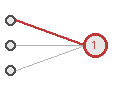
Overview
The Pick First pattern executes multiple Activities in parallel and returns the result of whichever completes first, then cancels the remaining Activities. It is suitable for racing multiple approaches to the same task, implementing timeout alternatives, or optimizing for fastest response when multiple options are available.
Problem
In distributed systems, you often need Workflows that execute multiple Activities that can accomplish the same goal, return as soon as any one succeeds (fastest wins), cancel remaining Activities to avoid wasted resources, and handle scenarios where speed matters more than trying all options.
Without the Pick First pattern, you must wait for all Activities to complete even when only one result is needed, manually track which Activity finished first, implement complex cancellation logic for remaining Activities, and waste compute resources on Activities whose results will not be used.
Solution
The Pick First pattern races multiple Activities simultaneously, captures the first result, then cancels remaining Activities using a cancellation mechanism provided by each SDK.
The following describes each step in the diagram:
- The Workflow starts three Activities in parallel using a shared cancellable context.
- The Workflow waits for the first Activity to complete.
- Activity 2 completes first. The Workflow captures its result.
- The Workflow cancels the shared context, which cancels Activities 1 and 3.
The following implementation shows the core pattern. The Workflow creates a cancellable context, starts two Activities, and captures the first result:
# workflows.py
import asyncio
from datetime import timedelta
from temporalio import workflow

with workflow.unsafe.imports_passed_through():
    from activities import sample_activity

@workflow.defn
class PickFirstWorkflow:
    @workflow.run
    async def run(self) -> str:
        task1 = asyncio.create_task(
            workflow.execute_activity(
                sample_activity,
                "option1",
                start_to_close_timeout=timedelta(minutes=2),
                heartbeat_timeout=timedelta(seconds=10),
            )
        )
        task2 = asyncio.create_task(
            workflow.execute_activity(
                sample_activity,
                "option2",
                start_to_close_timeout=timedelta(minutes=2),
                heartbeat_timeout=timedelta(seconds=10),
            )
        )

        done, pending = await workflow.wait(
            [task1, task2], return_when=asyncio.FIRST_COMPLETED
        )

        for task in pending:
            task.cancel()

return done.pop().result()// workflow.go
func PickFirstWorkflow(ctx workflow.Context) (string, error) {
selector := workflow.NewSelector(ctx)
var firstResponse string
childCtx, cancelHandler := workflow.WithCancel(ctx)
childCtx = workflow.WithActivityOptions(childCtx, activityOptions)
f1 := workflow.ExecuteActivity(childCtx, Activity, "option1")
f2 := workflow.ExecuteActivity(childCtx, Activity, "option2")
selector.AddFuture(f1, func(f workflow.Future) {
_ = f.Get(ctx, &firstResponse)
}).AddFuture(f2, func(f workflow.Future) {
_ = f.Get(ctx, &firstResponse)
})
selector.Select(ctx) // Blocks until first completes
cancelHandler() // Cancel remaining activities
return firstResponse, nil
}// PickFirstWorkflow.java
public class PickFirstWorkflowImpl implements PickFirstWorkflow {
private final SampleActivities activities =
Workflow.newActivityStub(
SampleActivities.class,
ActivityOptions.newBuilder()
.setStartToCloseTimeout(Duration.ofMinutes(2))
.setHeartbeatTimeout(Duration.ofSeconds(10))
.build());
@Override
public String pickFirst() {
List<Promise<String>> results = new ArrayList<>();
CancellationScope scope =
Workflow.newCancellationScope(
() -> {
results.add(Async.function(activities::sampleActivity, "option1"));
results.add(Async.function(activities::sampleActivity, "option2"));
});
scope.run();
String firstResponse = Promise.anyOf(results).get();
scope.cancel();
return firstResponse;
}
}// workflows.ts
import { proxyActivities, CancellationScope } from '@temporalio/workflow';
import type * as activities from './activities';
const { sampleActivity } = proxyActivities<typeof activities>({
startToCloseTimeout: '2m',
heartbeatTimeout: '10s',
});
export async function pickFirstWorkflow(): Promise<string> {
return await CancellationScope.cancellable(async () => {
const p1 = sampleActivity('option1');
const p2 = sampleActivity('option2');
const firstResponse = await Promise.race([p1, p2]);
CancellationScope.current().cancel();
return firstResponse;
});
}Each SDK provides a different mechanism for racing Activities and cancelling the rest:
- Go uses
workflow.NewSelector()withAddFuture()callbacks andworkflow.WithCancel(ctx)for cancellation. - TypeScript uses
Promise.race()within aCancellationScope.cancellable(). CallingCancellationScope.current().cancel()cancels all Activities started in that scope. - Python uses
asyncio.create_task()to start Activities concurrently, thenworkflow.wait()withreturn_when=asyncio.FIRST_COMPLETEDto get the first result. Pending tasks are cancelled explicitly. - Java uses
Async.function()to start Activities inside aCancellationScope, thenPromise.anyOf()to wait for the first result. Callingscope.cancel()cancels the remaining Activities.
Implementation
Activity with cancellation support
For the Pick First pattern to work efficiently, Activities must detect cancellation via heartbeats and respond to the cancellation signal provided by their SDK:
# activities.py
import asyncio
from temporalio import activity

@activity.defn
async def sample_activity(branch_id: str) -> str:
    try:
        for elapsed in range(60):
            await asyncio.sleep(1)
            activity.heartbeat("status-report")
        return f"Branch {branch_id} completed"
    except asyncio.CancelledError:
        activity.logger.info(f"Branch {branch_id} cancelled")
raise// activity.go
func SampleActivity(ctx context.Context, branchID int, duration time.Duration) (string, error) {
logger := activity.GetLogger(ctx)
elapsed := time.Nanosecond
for elapsed < duration {
time.Sleep(time.Second)
elapsed += time.Second
activity.RecordHeartbeat(ctx, "status-report")
select {
case <-ctx.Done():
msg := fmt.Sprintf("Branch %d cancelled", branchID)
logger.Info(msg)
return msg, ctx.Err()
default:
// Continue working
}
}
return fmt.Sprintf("Branch %d completed", branchID), nil
}// SampleActivityImpl.java
public class SampleActivityImpl implements SampleActivities {
@Override
public String sampleActivity(String branchID) {
for (int elapsed = 0; elapsed < 60; elapsed++) {
try {
Thread.sleep(1000);
} catch (InterruptedException e) {
Thread.currentThread().interrupt();
throw Activity.wrap(e);
}
Activity.getExecutionContext().heartbeat("status-report");
// Heartbeat throws CanceledFailure if cancellation was requested
}
return "Branch " + branchID + " completed";
}
}// activities.ts
import { Context, heartbeat } from '@temporalio/activity';
export async function sampleActivity(branchID: string): Promise<string> {
for (let elapsed = 0; elapsed < 60; elapsed++) {
await new Promise((resolve) => setTimeout(resolve, 1000));
heartbeat('status-report');
Context.current().cancellationSignal.throwIfAborted();
}
return `Branch ${branchID} completed`;
}The Activity heartbeats on each iteration, which allows the Temporal Server to deliver cancellation notifications promptly. When cancellation is detected, the Activity performs any necessary cleanup and exits.
Wait for cancellation completion
The following implementation waits for all Activities to finish their cleanup before returning:
# workflows.py
import asyncio
from datetime import timedelta
from temporalio import workflow
from temporalio.common import RetryPolicy

with workflow.unsafe.imports_passed_through():
    from activities import sample_activity

@workflow.defn
class PickFirstWithCleanup:
    @workflow.run
    async def run(self) -> str:
        task1 = asyncio.create_task(
            workflow.execute_activity(
                sample_activity,
                "branch1",
                start_to_close_timeout=timedelta(minutes=2),
                heartbeat_timeout=timedelta(seconds=10),
                cancellation_type=workflow.ActivityCancellationType.WAIT_CANCELLATION_COMPLETED,
            )
        )
        task2 = asyncio.create_task(
            workflow.execute_activity(
                sample_activity,
                "branch2",
                start_to_close_timeout=timedelta(minutes=2),
                heartbeat_timeout=timedelta(seconds=10),
                cancellation_type=workflow.ActivityCancellationType.WAIT_CANCELLATION_COMPLETED,
            )
        )

        done, pending = await workflow.wait(
            [task1, task2], return_when=asyncio.FIRST_COMPLETED
        )

        for task in pending:
            task.cancel()

        # Wait for all activities to finish cancellation
        for task in pending:
            try:
                await task
            except asyncio.CancelledError:
                pass

return done.pop().result()// workflow.go
func PickFirstWithCleanup(ctx workflow.Context) (string, error) {
selector := workflow.NewSelector(ctx)
var firstResponse string
childCtx, cancelHandler := workflow.WithCancel(ctx)
childCtx = workflow.WithActivityOptions(childCtx, workflow.ActivityOptions{
StartToCloseTimeout: 2 * time.Minute,
WaitForCancellation: true,
})
f1 := workflow.ExecuteActivity(childCtx, Activity, "branch1")
f2 := workflow.ExecuteActivity(childCtx, Activity, "branch2")
pendingFutures := []workflow.Future{f1, f2}
selector.AddFuture(f1, func(f workflow.Future) {
_ = f.Get(ctx, &firstResponse)
}).AddFuture(f2, func(f workflow.Future) {
_ = f.Get(ctx, &firstResponse)
})
selector.Select(ctx)
cancelHandler()
// Wait for all activities to finish cancellation
for _, f := range pendingFutures {
_ = f.Get(ctx, nil)
}
return firstResponse, nil
}// PickFirstWithCleanupImpl.java
public class PickFirstWithCleanupImpl implements PickFirstWorkflow {
private final SampleActivities activities =
Workflow.newActivityStub(
SampleActivities.class,
ActivityOptions.newBuilder()
.setStartToCloseTimeout(Duration.ofMinutes(2))
.setHeartbeatTimeout(Duration.ofSeconds(10))
.setCancellationType(
ActivityCancellationType.WAIT_CANCELLATION_COMPLETED)
.build());
@Override
public String pickFirst() {
List<Promise<String>> results = new ArrayList<>();
CancellationScope scope =
Workflow.newCancellationScope(
() -> {
results.add(Async.function(activities::sampleActivity, "branch1"));
results.add(Async.function(activities::sampleActivity, "branch2"));
});
scope.run();
String firstResponse = Promise.anyOf(results).get();
scope.cancel();
// Wait for all activities to finish cancellation
for (Promise<String> activityResult : results) {
try {
activityResult.get();
} catch (ActivityFailure e) {
if (!(e.getCause() instanceof CanceledFailure)) {
throw e;
}
}
}
return firstResponse;
}
}// workflows.ts
import {
proxyActivities,
CancellationScope,
ActivityCancellationType,
isCancellation,
} from '@temporalio/workflow';
import type * as activities from './activities';
const { sampleActivity } = proxyActivities<typeof activities>({
startToCloseTimeout: '2m',
heartbeatTimeout: '10s',
cancellationType: ActivityCancellationType.WAIT_CANCELLATION_COMPLETED,
});
export async function pickFirstWithCleanup(): Promise<string> {
return await CancellationScope.cancellable(async () => {
const p1 = sampleActivity('branch1');
const p2 = sampleActivity('branch2');
const firstResponse = await Promise.race([p1, p2]);
CancellationScope.current().cancel();
// Wait for all activities to finish cancellation
const results = [p1, p2];
for (const p of results) {
try {
await p;
} catch (err) {
if (!isCancellation(err)) throw err;
}
}
return firstResponse;
});
}Each SDK provides a way to wait for cancelled Activities to finish their cleanup:
- Go sets
WaitForCancellation: truein the Activity options, then callsGeton all futures after cancelling. - TypeScript sets
cancellationType: ActivityCancellationType.WAIT_CANCELLATION_COMPLETEDin the Activity options, then awaits all promises while catching cancellation errors withisCancellation(). - Python sets
cancellation_type=workflow.ActivityCancellationType.WAIT_CANCELLATION_COMPLETED, then awaits pending tasks while catchingasyncio.CancelledError. - Java sets
setCancellationType(ActivityCancellationType.WAIT_CANCELLATION_COMPLETED), then callsget()on all promises while catchingActivityFailurewith aCanceledFailurecause.
When to use
The Pick First pattern is a good fit for racing multiple data sources (primary vs backup), trying multiple algorithms and picking the fastest, implementing fallback strategies with timeout, optimizing for latency when multiple options exist, and testing multiple service endpoints for fastest response.
It is not a good fit when you need results from all Activities (use parallel execution), Activities have side effects that should not be cancelled, order matters (use sequential execution), or all Activities must complete.
Benefits and trade-offs
The pattern returns as soon as the fastest option completes, optimizing for latency. Unnecessary work is cancelled automatically. Each SDK's race mechanism ensures replay consistency, and cancellation cleanup is handled properly.
The trade-offs to consider are that cancelled Activities may have done partial work. Activities need heartbeats to detect cancellation quickly. Activities do not cancel instantly (they wait for the next heartbeat). You must implement proper cancellation handling in Activities. Only the first result is used; others are discarded.
Comparison with alternatives
| Approach | Returns first | Cancels others | Complexity | Use case |
|---|---|---|---|---|
| Pick First | Yes | Yes | Medium | Race for fastest |
| Parallel Execution | No | No | Low | All must complete |
| Sequential | No | N/A | Low | Order matters |
| Split/Merge | No | No | Medium | Aggregate results |
Best practices
- Use heartbeats. Activities must heartbeat to detect cancellation quickly.
- Configure cancellation wait behavior. Decide if the Workflow should wait for cleanup to complete before returning.
- Handle cancellation in Activities. Activities must check for cancellation signals and exit cleanly.
- Use a shared cancellable context. Use a single cancellable context or scope for all raced Activities.
- Track futures or tasks. Keep references to all futures or tasks if waiting for cleanup.
- Set Activity timeouts. Configure appropriate StartToCloseTimeout and HeartbeatTimeout.
- Log cancellations. Log when Activities are cancelled for observability.
- Design idempotent Activities. Ensure Activities handle cancellation safely.
Common pitfalls
- Missing heartbeats in Activities. Activities must heartbeat to detect cancellation. Without heartbeats, cancelled Activities continue running until their StartToCloseTimeout expires, wasting resources.
- Not waiting for cancellation cleanup. Without configuring the cancellation type to wait for completion (e.g.,
WaitForCancellation: truein Go,WAIT_CANCELLATION_COMPLETEDin other SDKs), fetching a cancelled Activity's result returns a cancellation error immediately, before the Activity has finished cleanup. Configure this setting if you need to wait for cleanup to complete. - Ignoring errors from the winning Activity. The first Activity to complete might return an error. Always check the result for errors, not just assume success.
- Forgetting to cancel remaining Activities. If you forget to cancel the shared context or scope after receiving the first result, the remaining Activities continue running indefinitely.
Related patterns
- Parallel Execution: Execute in parallel and combine all results.
Sample code
- Go Sample — Complete implementation with Worker and starter.
- TypeScript Sample — Activities with cancellation and heartbeating.
- Java Sample — Hello samples including cancellation scope patterns.
- Python Sample — Python SDK samples with async patterns.